Silk Production: What Buyers Should Know About Ethics
Silk Production: What Buyers Should Know About Ethics
Traditional silk production involves an animal welfare question no responsible buyer should ignore: most conventional silk is made by heating or processing cocoons before the silkworm moth emerges, killing the developing pupae. That concern is one direct reason vegan silk has gained attention. At COCOONMAN, we supply silk, and we do not avoid this question. This article explains the production process, what vegan silk fabrics actually are, and how both options compare for commercial sourcing.
Where the Ethical Question Begins
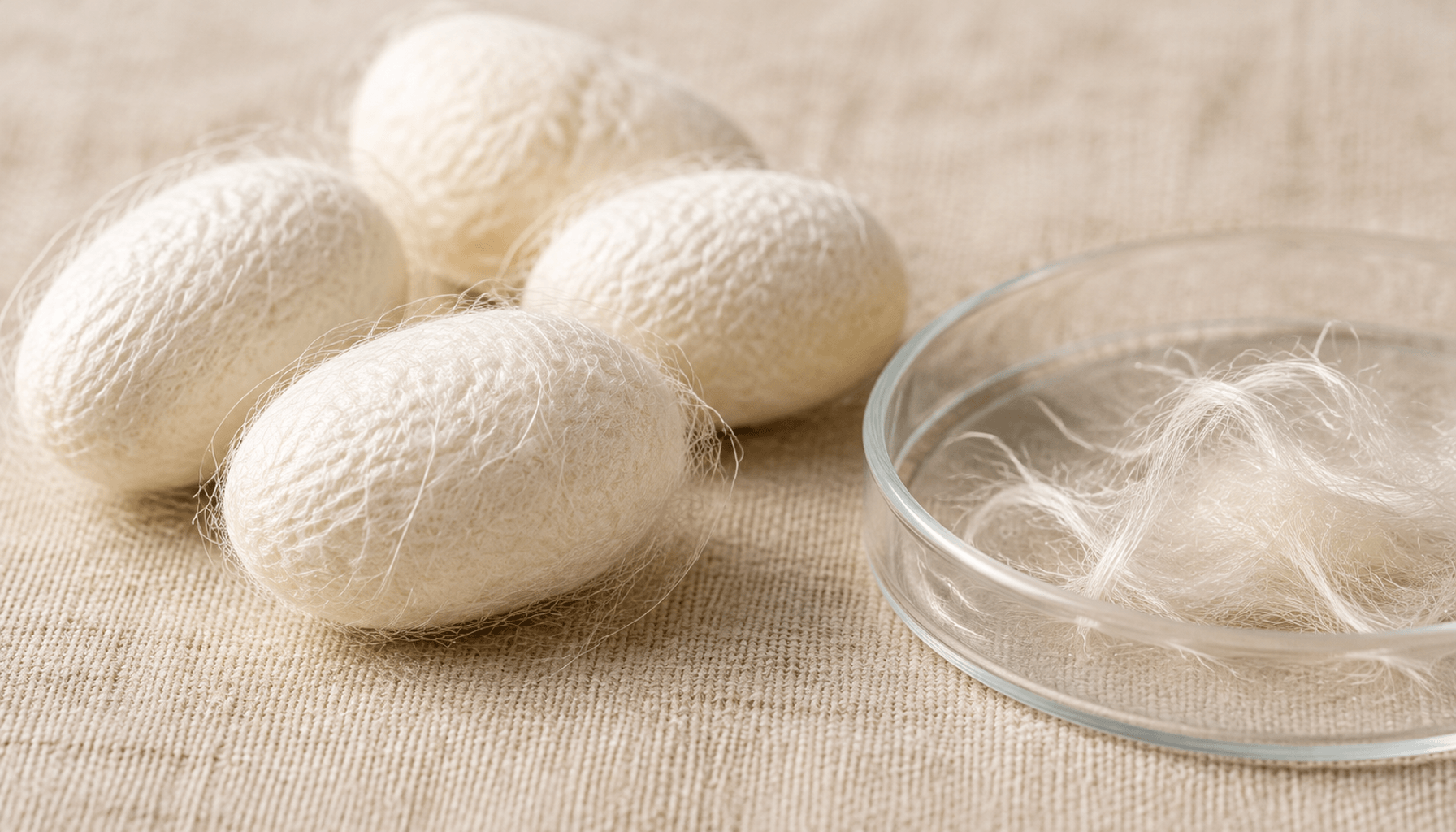
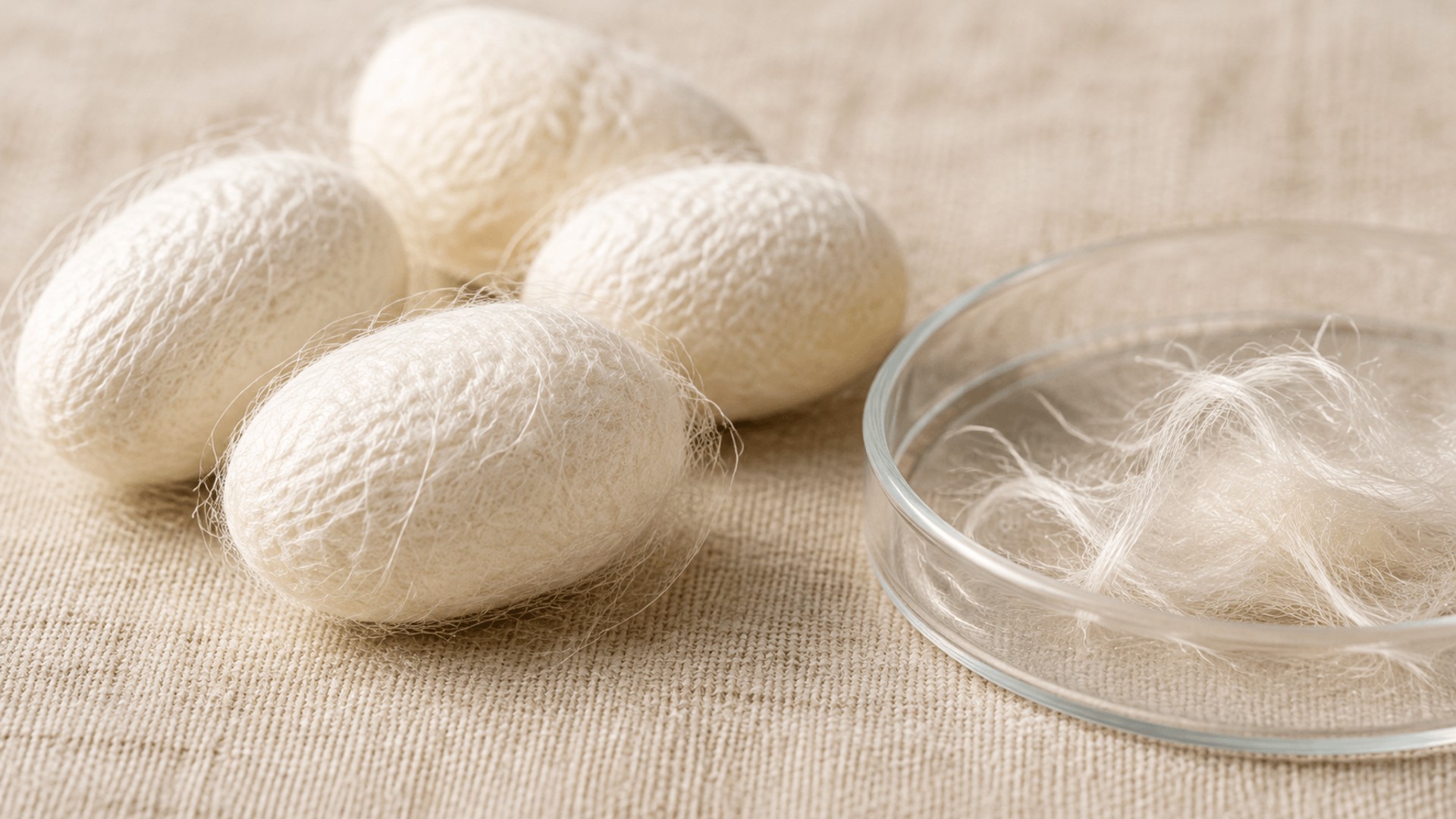
A silkworm produces a continuous protein filament and wraps it around itself to form a cocoon. In common silk production, cocoons are heated or soaked in hot water to soften sericin, and because the cocoon must stay intact for reeling, the pupa generally cannot complete metamorphosis. Animal-welfare organizations such as PETA criticize this method.
Production systems are not identical, however. Peace silk and related approaches allow the moth to emerge first, but the broken filament often means shorter fibers, spun yarn, and different surface and strength characteristics. Claims like “peace silk” require documentation covering species, farming method, harvesting point, and chain of custody.
The material appeal of silk remains distinct: natural protein filament, characteristic luster, fluid drape, smooth hand feel, and breathability. For professional sourcing, ethical silk production is a process-visibility issue. At COCOONMAN, we treat production descriptions, batch records, and inspection documentation as more useful than an unsupported label. We do not sell vegan silk, but we help buyers understand it, and we apply the same evidence standard to both categories.
Vegan Silk Fabrics Are Silk-Like Materials, Not Real Silk
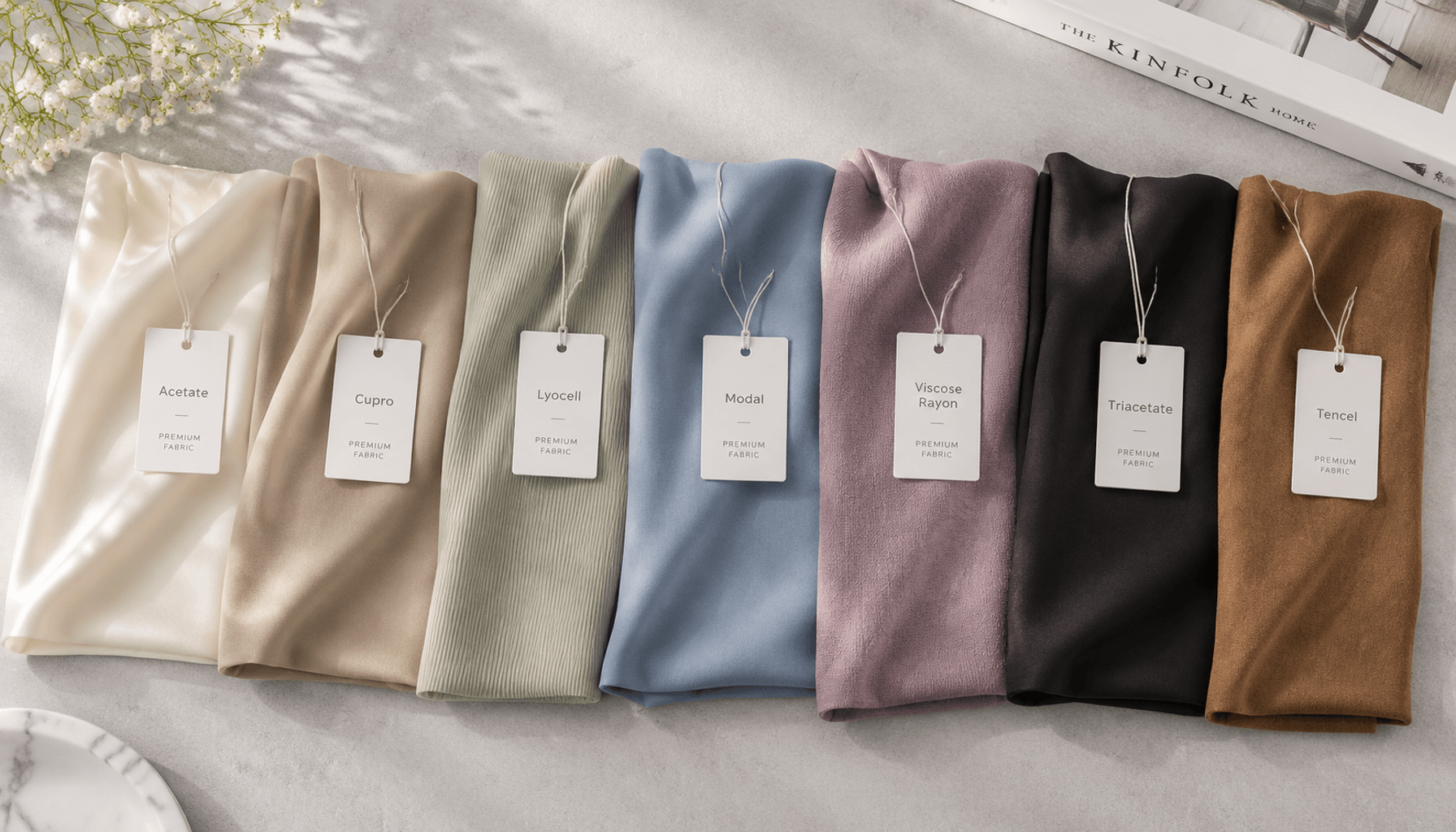
“Vegan silk” usually covers plant-based or semi-synthetic fibers with a smooth hand, sheen, or fluid drape. These are not real silk and none is a direct replacement in every application.
| Material | Source and practical performance | Procurement tip |
|---|---|---|
| Acetate | Regenerated cellulose valued for sheen, fluid drape, and polished lining quality. Heat, solvents, and limited wet strength require care. | Confirm pressing and dry-cleaning requirements; test dimensional stability before approving for linings. |
| Corn fiber | Corn-derived or bio-based polymer. Hand feel and durability vary; environmental profile depends on processing and end-of-life. | Verify exact fiber composition, polymer type, and disposal requirements. |
| Cupro | Regenerated cellulose from cotton linter, smooth and cool with excellent fluidity. Comparatively limited strength can affect wear life. | Test seam durability, abrasion, and wet handling before use in garments exposed to perspiration. See [LINK: Cupro vs Silk for Apparel]. |
| Lyocell (Tencel) | Regenerated cellulose with soft hand and favorable solvent recovery. Luster is more muted than silk; fibrillation may develop in wet processing. | Request finishing details and run a wash test; control agitation and dyeing to manage fibrillation. See [LINK: Lyocell wet processing and fibrillation]. |
| Modal | Regenerated cellulose selected for softness and comfort. Drape and shine differ from silk, especially in lightweight constructions. | Check shrinkage after laundering and confirm blend ratio. |
| Soybean fiber | Protein-containing bio-based fiber whose properties vary by manufacturing route. | Require technical data on composition, strength, shrinkage, and care. |
| Viscose rayon | Regenerated cellulose with broad availability, fluid drape, and strong dye response. Wet strength and environmental controls vary by supplier. | Review wet-strength data, mill process controls, and colorfastness per source. See [LINK: Viscose rayon sourcing checks]. |
Blends and finishing can narrow the gap in one use while creating a new limitation in another. Cupro may suit a fluid blouse but need different seam engineering than silk; lyocell may suit a soft dress yet need controlled wet processing. Our [LINK: Vegan silk fabric comparison guide] covers these trade-offs across the category.
Silk vs Vegan Silk: A Practical Buying Comparison
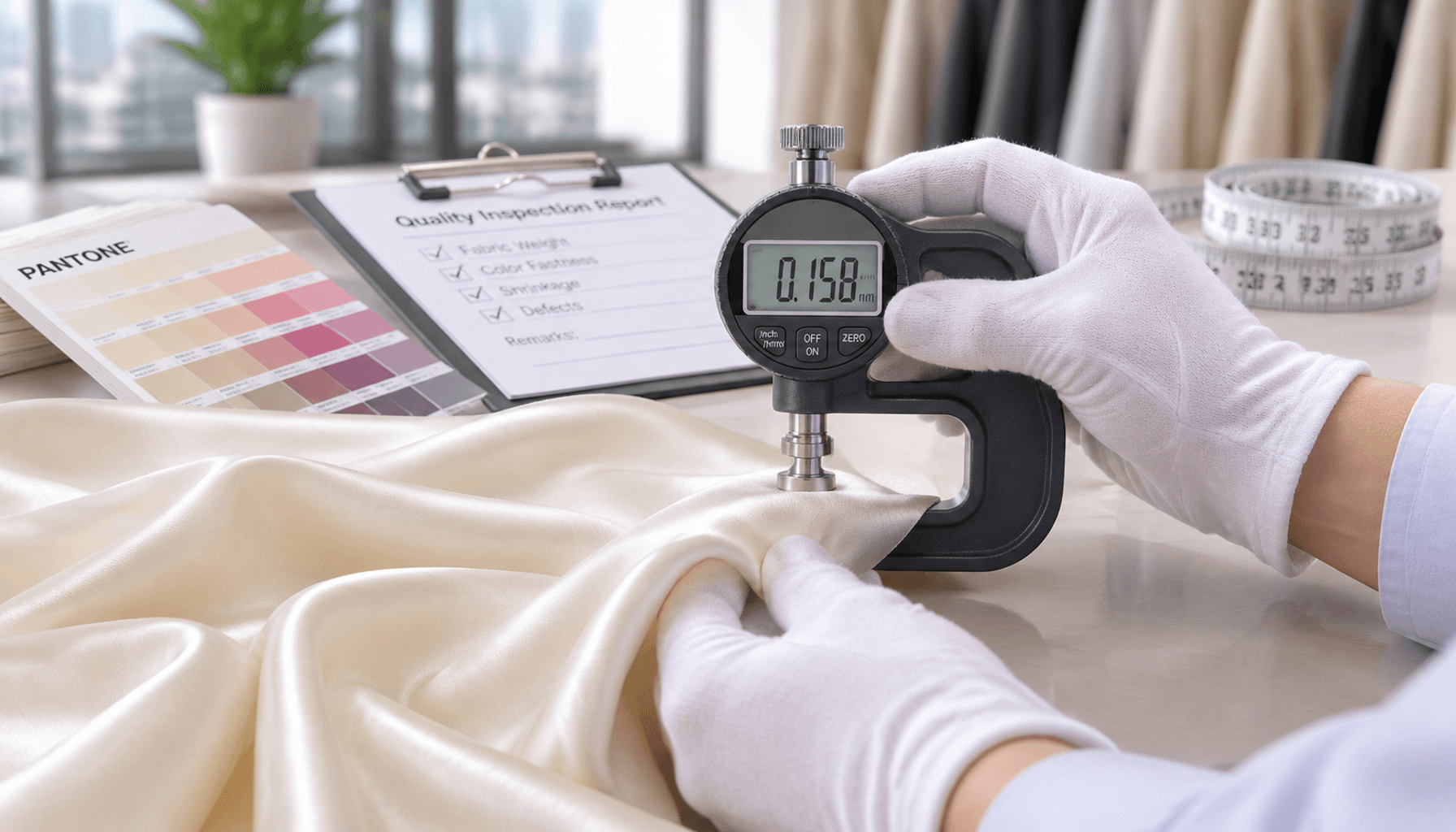
The right choice starts with the product brief. Silk suits luxury scarves, bridalwear, premium sleepwear, lingerie, and high-end linings where protein-fiber hand feel and premium positioning matter. Vegan silk fabrics may suit collections excluding animal-derived inputs or requiring a different cost, care, or fiber profile.
Performance and product fit: compare hand feel and luster, drape and strength, breathability, dye behavior and care, and end-of-life. Silk offers distinctive smoothness and natural sheen; acetate and cupro create fluid linings; lyocell and modal provide soft apparel options with different shine and drape. Cupro needs seam and wet-handling tests; viscose wet strength varies by construction and supplier. Fiber origin alone does not prove biodegradability.
Commercial controls: widths and weights differ between silk and regenerated fibers, affecting marker efficiency and garment yield. MOQ, lead time, and price stability depend on yarn availability, dyeing capacity, and mill scheduling. Our buying sequence is practical:
- Set the animal-origin policy.
- Define targets for hand, drape, strength, moisture, shade, and care.
- Test samples in the intended product.
- Verify composition, blend ratios, dyeing, finishing, and processing records.
- Confirm capacity, inspection standards, and batch consistency.
Where COCOONMAN Stands on Silk and Vegan Silk
The practical question is not which material sounds more ethical, but which documented option meets both a brand’s animal-use policy and its product brief. We are a professional silk supplier. We do not sell vegan silk, but we do not treat it as a threat — it is part of the wider demand spectrum our commercial clients evaluate.
Some clients are developing premium silk collections and rely on our experience with silk qualities, specifications, production coordination, and batch consistency. Others require animal-free lines and need help understanding which silk-like fibers fit a target hand, drape, price range, care instruction, or end-use. Our role is to clarify the choice without presenting vegan silk as a universal replacement. Buyers comparing specific applications can review [LINK: Cupro vs Silk for Apparel] and [LINK: Lyocell Dyeing and Finishing Considerations].
Before placing an order, we recommend requesting a complete technical and sourcing file: exact fiber composition and blend percentages; weight, usable width, and construction; finishing details; colorfastness data for the intended use; inspection standard and tolerance range; lead time, sampling timeline, MOQ, and repeat-order capacity; and batch records connecting the delivered fabric to the approved specification. Our guide, [LINK: Questions to Ask a Silk Fabric Supplier], can help structure that review.
FAQ
1. Is silk production cruel?
In conventional silk production, cocoons are often heated or treated before the moth can emerge, killing the developing pupa. Some buyers regard this as unacceptable animal use; others assess silk through wider welfare, environmental, and sourcing criteria. A responsible decision requires documented information about the cocoon-handling method rather than a blanket assumption.
2. Is vegan silk the same as real silk?
No. “Vegan silk” describes plant-derived and semi-synthetic fibers offering some silk-like qualities. Acetate, cupro, lyocell, modal, viscose, corn fiber, and soybean fiber differ from natural silk in structure, durability, care, and processing. The term describes an aesthetic or tactile direction, not an animal-free form of genuine silk.
3. Which vegan silk fabric feels most like silk?
It depends on yarn, weave, weight, finishing, and intended use. Cupro offers a cool, smooth touch; acetate delivers sheen and fluid movement; certain lyocell and viscose constructions provide a soft, flowing handle. Evaluate physical samples — a fabric that resembles silk in one specification may behave very differently in another.
4. What should a professional buyer verify before ordering silk or vegan silk?
Request full fiber composition, weight, usable width, construction, finish, colorfastness, care guidance, lead time, inspection requirements, and batch records. For silk, ask how cocoons and raw materials are obtained and documented. For vegan silk, confirm the recognized fiber name behind the commercial description.
5. Can silk be part of an ethical textile collection?
There is no single industry-wide definition of an ethical collection; it depends on the standards a brand has adopted — animal welfare, labor conditions, traceability, chemical management, longevity, or several together. COCOONMAN can provide sourcing information and material details, but each buyer must decide whether the selected silk method fits its published policy.
Conclusion
Silk production presents a genuine animal-welfare question for buyers who reject cocoon processing that prevents moth emergence. Vegan silk fabrics offer non-animal options, but they are separate fiber categories with their own performance and sourcing considerations, not a universal ethical form of silk. COCOONMAN provides the material, supply-chain, and batch information commercial customers need to choose between silk and silk-like alternatives according to their product requirements and stated values.