Acid vs Reactive vs Plant Dyes for Silk: What Buyers Need to Know
Acid vs Reactive vs Plant Dyes for Silk: What Buyers Need to Know
Matching a shade card does not guarantee the same hand feel, wash performance or production consistency. The wrong dye route shows up later as rejected batches, a care label the product cannot support, and margin pressure that was never priced in.
COCOONMAN supplies silk fabrics and finished products through OEM/ODM programs. We help brands weigh these trade-offs before an order is placed.
Silk Does Not Tolerate Every Dyeing Process
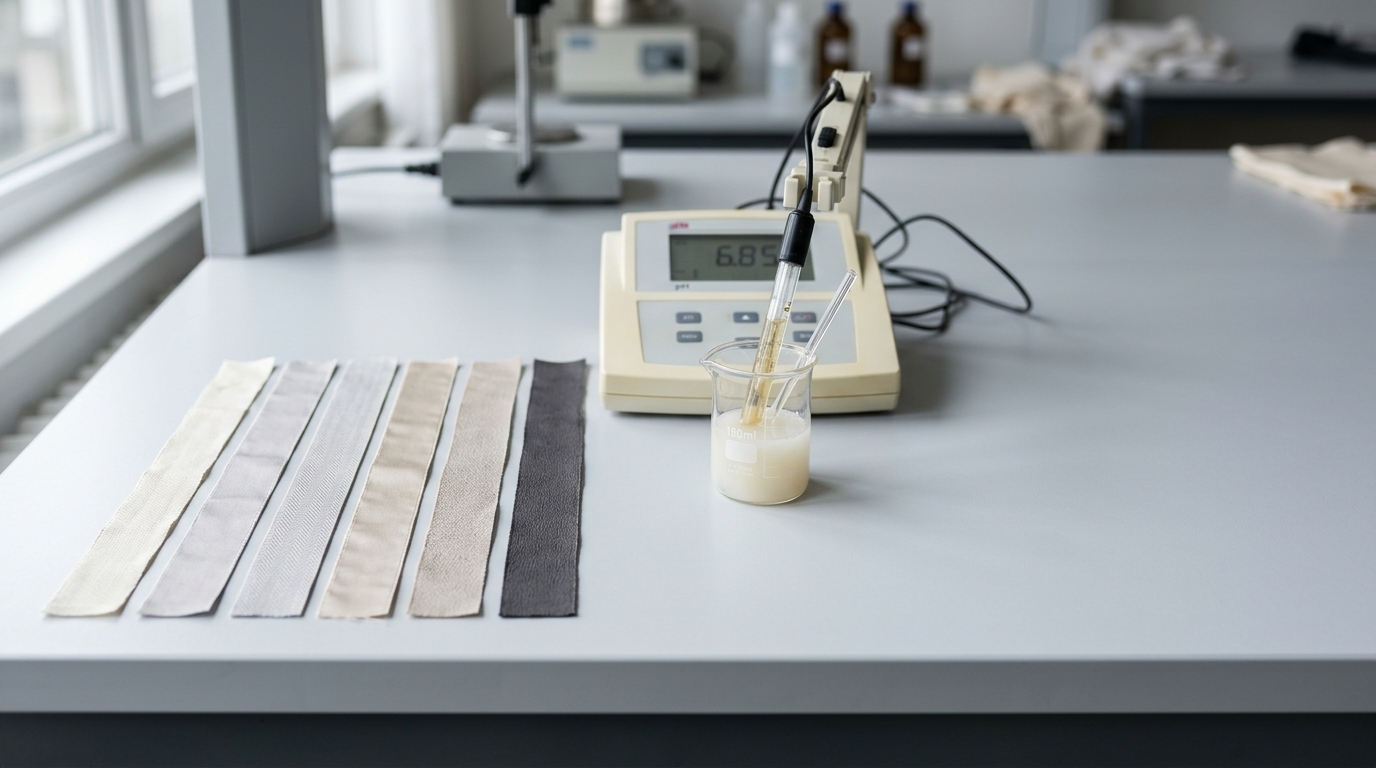
Strong alkalinity can damage silk's protein fibers. That makes the dyeing process as consequential as the color itself: a shade that looks right on a card does not reveal how the fabric was treated or how it will perform after finishing.
Silk is generally dyed under acidic or near-neutral conditions. The three routes differ in how color is held on the fiber. Acid dyes rely largely on ionic attraction. Reactive dyes can form covalent bonds under suitable conditions. Plant dyeing often uses mordants to help attach or develop color.
None of these mechanisms guarantees performance on its own. Formulation, shade, washing off and finishing all affect the final result. Judge silk dyes against the finished product's intended use and care requirements, not the shade card alone.
Acid vs Reactive vs Plant: What Changes in Production?
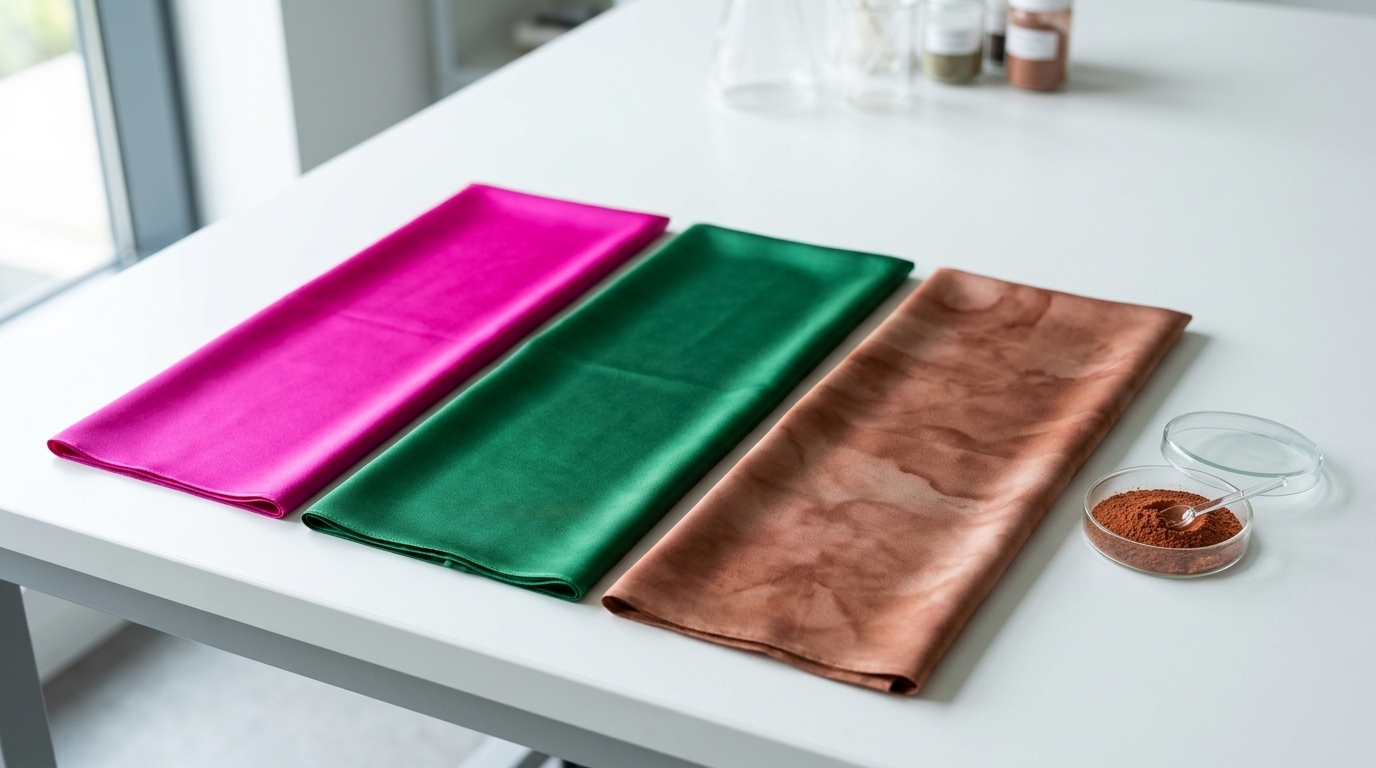
Acid dyes deliver vivid shades and the supple hand expected of premium silk, with good repeatability across bulk lots. Their trade-off is washing fastness: some shades need fixation, and repeated washing or wet rubbing can cause color loss. We often consider this route for premium dry-clean silk. If fixation is left unspecified, bulk can fall short of the approved sample, so include the treatment and acceptance tests in the production confirmation.
Reactive dyes offer a broad range of bright shades with good wash and rub fastness, making them a candidate for everyday silk shirts and sleepwear. The process needs tighter control: poor processing can leave fabric harsh, and inadequate washing-off can let loose dye transfer. A machine-washable claim cannot be assumed from the dye class; agree the wash cycle and label conditions, then test finished garments against them.
Plant dyeing produces distinctive, nuanced shades with a generally soft feel, and supports a material story tied to a particular plant. The constraints are real: shade varies between batches, wet rubbing can transfer color, and wash performance is variable, especially in dark shades. Reorders are harder to match. For limited-edition pieces, agree an acceptable color tolerance in writing before production.
Takeaway: Dye class alone guarantees nothing. Formulation, shade, processing and testing decide whether the finished silk meets the order.
One Shade Card, Six Different Buying Criteria
| Criterion | Acid dyes | Reactive dyes | Plant dyeing |
|---|---|---|---|
| Color | Vivid, stable | Vivid, broad range | Soft, distinctive, batch variation |
| Wash fastness | Weak; needs fixation | Good | Moderate; weaker in dark shades |
| Hand feel | Excellent | Can stiffen if poorly processed | Usually soft |
| Bulk color control | Easy | Moderate | Difficult |
| Process difficulty | Low | Medium to high | High |
| Best suited to | Premium dry-clean silk | Washable everyday products | Limited-edition pieces |
These ratings are directional. A light sample cannot establish wash or rubbing performance for a dark version of the same style. For repeat orders, agree a retained reference sample, the lighting used for color approval, and the acceptable difference between lots.
Takeaway: A dye route is ready for approval only when its tested performance and agreed tolerances support the order.
Set the Care Label Before Approving the Dye
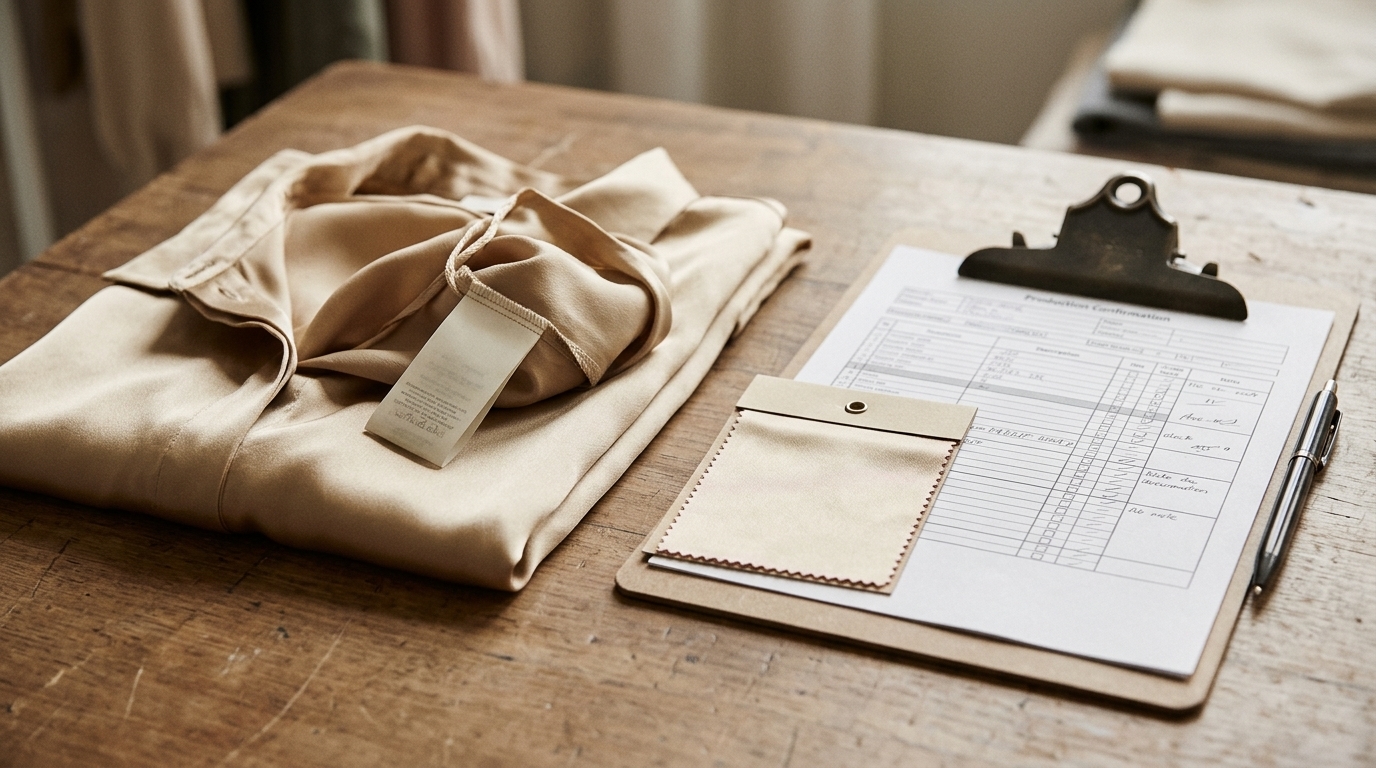
A passing fastness test is irrelevant if it does not reflect the finished product's care instructions. Before choosing silk dyes, settle three questions in parallel: What care label will the item carry? What price band must absorb production and testing costs? Does the brand value color character, ease of care or repeatability most?
A washable claim needs a defined procedure, including temperature and cycle conditions; a dry-clean claim needs an agreed method. Specify wash fastness and dry and wet rubbing tests, and test the finished garment, not just the fabric. Put test methods and acceptance thresholds in the order rather than relying on an unspecified "good fastness" requirement.
The price band must cover the whole order, not just dyeing. Shade, quantity, testing and rejection risk all affect cost. Ask suppliers to quote on the same fabric, shade, quantity and care claim, with testing and repeat-work charges identified.
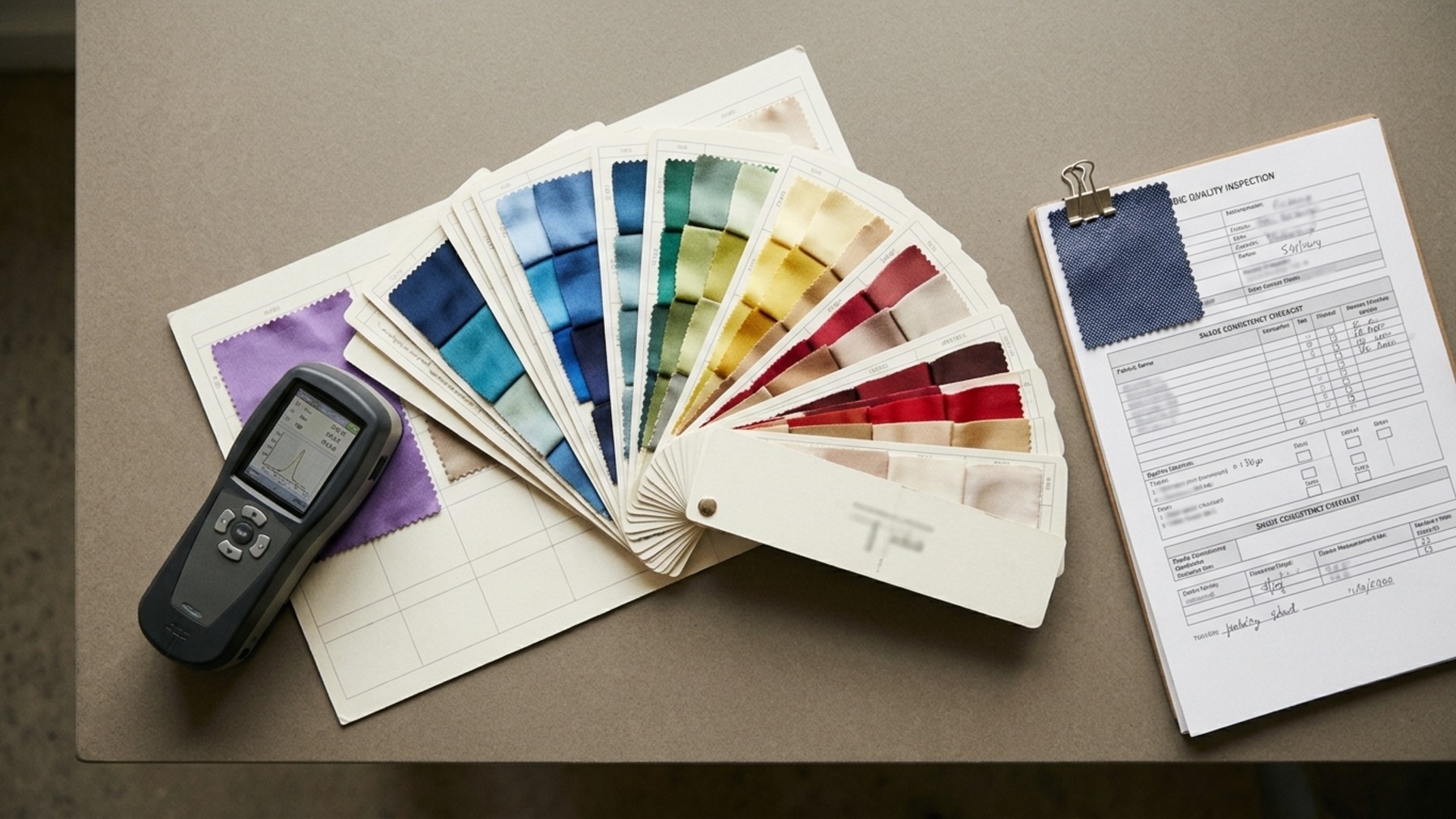
If color acceptance criteria are unclear, silk dyeing bulk color variation becomes a dispute even when both sides believe they matched the sample. Document the approved standard, lighting, measurement method, tolerance and approval procedure before production. COCOONMAN batch and inspection records should identify that standard, the dye lot and the test results. Our silk OEM/ODM service covers fabric selection through finished-product delivery; contact the business team for a project assessment.
Takeaway: An order is easier to enforce when its care claim, cost assumptions and color criteria are documented together.
FAQ
1. Which dye is best for washable silk?
Reactive dyes are often a practical choice because they can deliver good wash fastness. The finished garment still needs to pass testing under the exact care instructions on the label. Acid-dyed silk can also be washable, depending on the dye and process.
2. Does plant-dyed silk always fade or rub off?
No. Plant dyed silk colorfastness depends on the colorant, mordant, shade and processing. For dark colors, request wash and dry- and wet-rub results for the actual production specification.
3. How should a buyer control silk dyeing bulk color variation?
Approve a physical reference and document viewing conditions, measurement method, tolerance and treatment of out-of-tolerance goods before bulk production. Keep batch and inspection records linked to that reference.
4. Can COCOONMAN supply both fabric and finished silk products?
Yes. COCOONMAN provides silk OEM/ODM services from fabric selection through finished-product delivery. Establish the care claim and testing requirements with the business team for each project.
Conclusion
A dye decision becomes a purchasing decision once the care claim, test requirements and acceptable production variation are documented. There is no universally best dye for silk; the right choice is the one whose verified performance, cost and production consistency match the product's positioning and care promise.
In short: dry-clean premium lines lean acid; washable everyday styles lean reactive; limited-edition storytelling leans plant — and all three need the care claim, tolerances and test methods agreed before bulk.
For dye selection, sampling or bulk evaluation, contact the COCOONMAN business team with your fabric, shade and care-label requirements.